 Lindon, UT · Serving Salt Lake, Utah, Davis, Summit and Wasatch counties
 (385) 438-3591
Lindon, UT · Serving Salt Lake, Utah, Davis, Summit and Wasatch counties
(385) 438-3591
(385) 438-3591
Lindon, UT · Serving Salt Lake, Utah, Davis, Summit and Wasatch counties
(385) 438-3591
The difference between a roof inspection and a roof estimate is the job each one does. The inspection finds what is really going on with your roof and attic. The estimate prices the fix, so it has to come second. I always say a price without an inspection is like a mechanic quoting a repair by the sound.
Get a full roof inspection, attic included, before you look at anyone's price for the work.
Layers, soft decking, bad flashing and weak ventilation are only found up close, and each one changes the price.
When a bid arrives, ask the roofer what they found in your attic.
A real Utah roof estimate starts with a full inspection, attic included. A price given without one is not a real number yet.
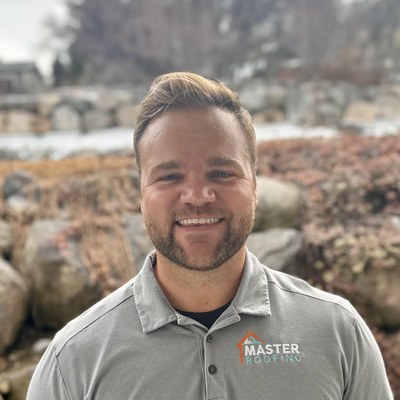
Mattie Tueller, Master Roofing
A roof inspection is the fact-finding visit. It answers what is actually happening on your roof, how it holds up against current building code, and how well the roof was designed. The roof estimate comes after, and it prices only what the inspection found.
A thorough roof inspection looks at:
The wear check can change which roof you buy. Sometimes shingles wear out early because of the sun, nearby trees or the way the house faces. Then the estimate can suggest a material that will last longer on your house.
A roof estimate should come after the inspection because the hidden items are where the price moves. What a thorough inspection turns up can change an estimate by a few thousand dollars. It is one reason why roofing quotes land thousands of dollars apart.
The Better Business Bureau's advice for hiring a roofer points the same way. A detailed proposal, broken into separate line items, is a good sign the contractor prepared an accurate estimate. Flashing work and ventilation work are both on its list of what a proposal should cover.
A roofing price given without an inspection usually ends one of three ways once the work starts.
You can head off all three before anyone starts. Get the inspection first. Master Roofing backs its inspections with the Expert Estimation Guarantee. If our estimator misses something they should have seen, you do not pay for the change order.
Before you trust a roof estimate, ask what the roofer checked and what they found. A roofer who really inspected can answer every question below in plain words.
| Ask this | A good answer sounds like |
|---|---|
| Did you go into my attic? | Yes, and here is what the ventilation and the underside of the deck looked like. |
| How many layers are on my roof? | A number, and how they know it. |
| Does my roof meet current code? | Where it does, where it does not, and what that adds to the price. |
| What could still change the price? | A short, specific list. The things nobody can know until the old roof comes off should be few. |
A real roofing estimator has to be a roof expert who can answer all of these. A quote sent from a satellite photo usually cannot. At Master Roofing, estimators train every month on building codes and on what roofing materials are made of.
As a roofing contractor in Utah, I see a lot of estimates that started with a satellite photo and a calculator. Most estimators look at the squares on a roof, multiply by a number, and call that the price. That's a fast way to bid, because a satellite photo really can measure a roof's size.
But the things that decide the work, like layers, decking, flashing and ventilation, can't be measured from a photo. So when I built Master Roofing, a Utah roofing company, I decided our estimators had to be roof experts first. We hold classes every month on building codes and on what shingles are actually made of, down to how much limestone filler is in them.
That's why every estimate we give starts with an inspection. An estimate should price what your roof actually needs, and only an inspection can tell you that. And if our estimator misses something they should have seen, the Expert Estimation Guarantee means the change order is on us, not you.
This article is general information about Utah roofs, not an assessment of yours. Every roof is different, and no article can tell you what is actually happening on your specific house. Have a licensed roofing contractor look at it in person before you act on anything here.
A roof inspection should come before any quote you plan to rely on. With a good roofer it is one visit: they inspect the roof and the attic first, then write the estimate from what they found. If a quote shows up before anyone has looked, treat it as a rough number and ask when the inspection will happen.
A roofing estimate can change after the old roof comes off, but only for a short list of things nobody could see before. A thorough inspection finds most problems before you sign. Master Roofing's Expert Estimation Guarantee covers the rest. If the estimator misses something they should have been able to see, you do not pay for the change order.
An inspection still matters when you already want a new roof, because it tells the roofer what the new roof needs. The number of layers, the condition of the deck, the flashing and the ventilation all change the work and the price. Without the inspection, those surprises show up after the crew starts.
Whoever inspects your roof should know roofs well enough to explain them. A real roofing estimator is a roof expert who can explain the building code, the materials and what they found in your attic. If the person in your driveway can only talk about the price per square, ask for someone who can walk you through the roof itself.
We're here to see what's going on with your roof. A real assessment starts with your history and your attic, not a number from the driveway. You'll get a straight answer about what's up there, what it needs, and what it costs. Sometimes the honest answer is: your roof looks great.