 Serving Salt Lake City, UT & Nearby Areas
 (385) 438-3591
Serving Salt Lake City, UT & Nearby Areas
(385) 438-3591
(385) 438-3591
Serving Salt Lake City, UT & Nearby Areas
(385) 438-3591
Slow everything down and sign nothing at the door. Storm chasers work speed: they knock while tarps are still on roofs, pitch the insurance angle. Vanish when the warranty matters. There are very few professional roofing companies that actually know roofing. The ones that do aren't knocking the morning after a storm.
Sign nothing at your door; choose your own roofer after the storm, on your own timeline.
Storm chasers depend on speed and pressure; removing urgency removes their whole business model.
Verify any roofer's license on Utah's DOPL lookup before talking numbers.
Storm crews follow Utah's weather in and follow it out. The company that answers your call in year three was here before the storm.
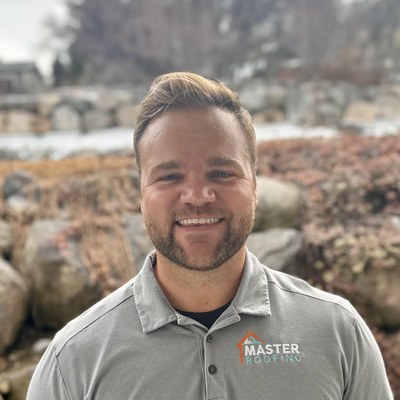
Mattie Tueller, Master Roofing
Storm chasers follow weather. A hail or wind event hits. Crews, often from out of state, flood the affected zip codes within days. That's because fresh damage plus rattled homeowners is the whole business model.
Utah has been a soft target: lax insurance policies got exploited for years, and as that tightens, failed solar companies have pivoted into insurance roof-knocking. Same playbook, new logo.
The tells are consistent because the model is consistent. Three of them show up in almost every storm-chaser conversation. Each one has a deeper story in this cluster.
One tell is enough. If the pitch leads with the claim instead of the roof, you have all the information you need.
Take control of the sequence. Nothing about storm damage requires a same-day signature. Every real step survives a week of waiting.
A real assessment of the damage, storm or no storm, starts with your roof's history and your attic, not a clipboard on your porch.
Because a warranty is only worth the company still being there to honor it. The chase crew's workmanship warranty functionally expires when the trucks leave the state. A local company's reputation lives in the same county you do.
Storm chasers are also why insurers have tightened up. That's clean documentation and a verifiable local contractor more valuable on a claim, not less. The cheap fast option gets more expensive every year.
I worked inside a sales-only roofing shop before I built Master Roofing. The best education I got there is, if you do it like this, it goes poorly. The morning after a big storm is when that education knocks on your door: tarps on houses, adrenaline everywhere, the most dangerous shopping day in roofing already underway.
The contractor landscape splits into types: storm chasers, one-truck outfits, sales organizations that became $15 million roofing companies overnight. Very few professional roofing companies that actually know roofing. If the pitch starts with what insurance will pay instead of what your roof needs, you've met a salesman, not a roofer.
My advice costs nothing: slow down. Your roof is not going anywhere, your claim does not expire this afternoon. The company still standing in the same building next year has no reason to rush you today.
No. Some real companies canvass, and a knock alone proves nothing either way. Behavior is the divider: a real company hands you a card, gives you a real price and scope in writing. Welcomes a week of thinking. Anyone engineering a same-day signature at your door is showing you exactly what they are.
It is the "you'll pay us whatever insurance pays" document. Signing it can lock that contractor onto your claim before you have vetted anyone. Never sign one at the door. If you eventually choose a contractor you trust, you can make agreements then, with the price and scope in writing and your claim under your own control.
Because speed is the product. The damage is freshest, homeowners are most rattled. Insurance activity in the zip code is at its peak. Crews route from storm to storm the way harvest crews follow crops. A company that was in your county before the storm. Will be there after, feels no need to race your doorbell.
The discount is built from things you cannot see yet: subcontracted labor, skipped code items like intake ventilation, thinner insurance. A warranty that leaves with the trucks. The cheapest roof has a way of costing the most. Storm-chaser pricing is the purest version of that pattern. Compare what the bids include, not just the numbers.
Treat roof access like house access: verification first. Consumer-protection groups document cases of inspection visits that manufacture or worsen damage to support a claim. Let a company on your roof after you have checked its license and chosen to call it. Be home while any inspection happens, walking through the findings together.
We're here to see what's going on with your roof. A real assessment starts with your history and your attic, not a number from the driveway. You'll get a straight answer about what's up there, what it needs, and what it costs. Sometimes the honest answer is: your roof looks great.